Why Sharpening Your Knife Skills Is The Most Important Cooking Class You Can Take
Ask any chef where cooking truly begins, and they’ll point to the same place—the cutting board.
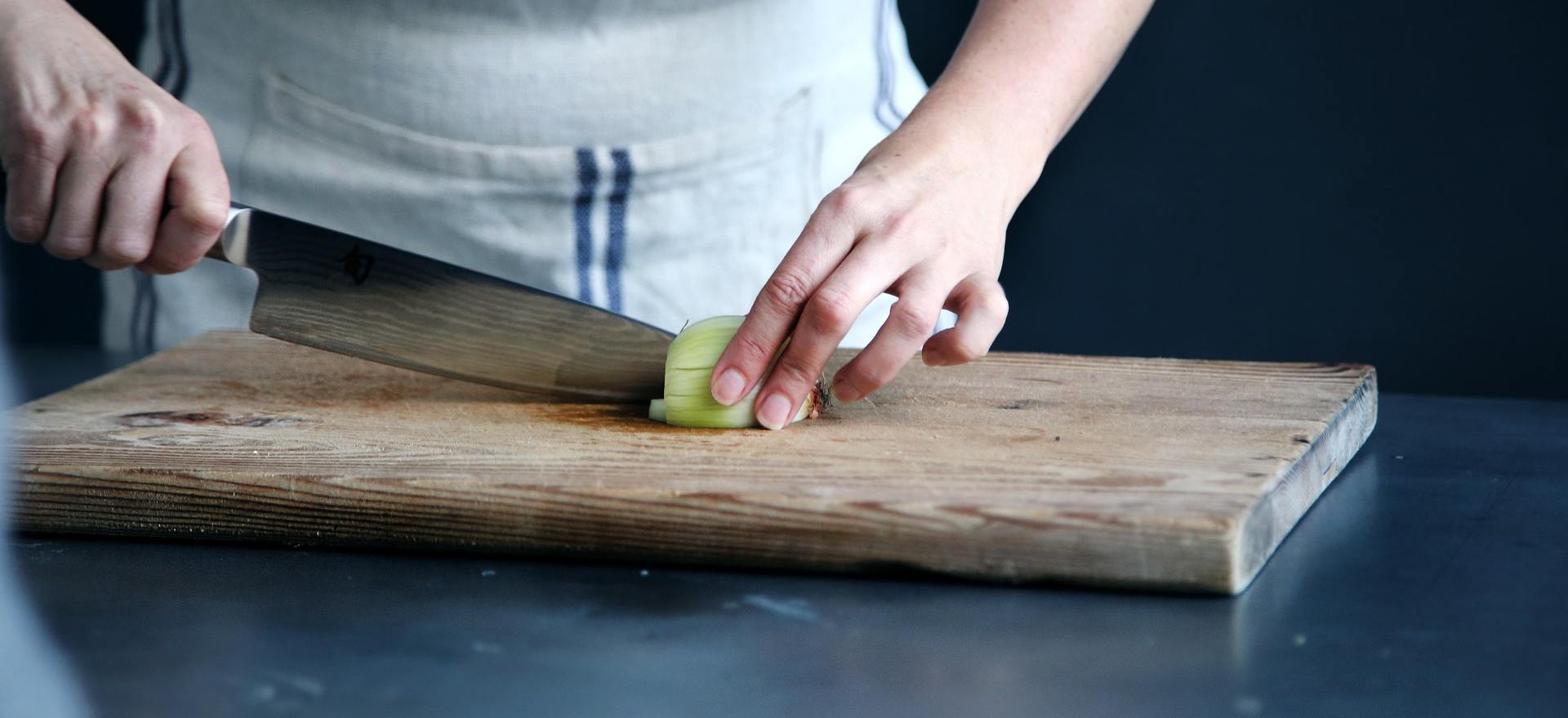
Mastering knife skills isn’t about looking cool with a blade. Ok, it’s a little bit about that. But while flexing on the cutting board is certainly a nice plus, knife skills are really more about laying the foundation for everything that follows.
At Cook Street’s Knife Skills class, we don’t just show you how to slice and dice… we teach you how to cook better, safer, and smarter from the start.
Why Knife Skills Are Important
Every cook cuts vegetables. But how you cut vegetables makes a big difference. Uniform cuts cook at the same rate. Irregular ones? Not so much. Undercooked carrots mixed with mushy ones makes for a sub-par dish on all levels—flavor, texture, and presentation.
More often than not, most of the problems encountered with the end result of you cooking can be traced back to this very first step. It’s not a recipe issue. It’s a technique issue, and that technique starts with your knife.
Here are some of the main reasons why knife skills are important:
Learning not only how to choose the right knife for the job and keep it razor sharp, but also how to break down a whole chicken and perform classic vegetable cuts—from chiffonade to julienne to the elusive brunoise—are foundational cooking skills.
Among the key knife cuts to know are:
Knife skills aren’t about speed—they’re about precision. It’s like learning a language. You have to understand the individual sounds (or in this case, cuts) before you can put together something that sings. Perfect quarter-inch diced carrots might not seem thrilling at first, but that discipline? That’s what separates the casual cook from the confident one.
Whether you're just getting started or looking to sharpen your technique (pun intended), this class is for anyone who wants to level up in the kitchen. So come slice, dice, and chiffonade your way to better meals.
